
Oracle WebLogic Performance Monitoring
Get end-to-end visibility into your WebSphere performance with application monitoring tools. Gain insightful metrics on performance bottlenecks with Java monitoring to optimize your application.
Why WebLogic Failures Stay Invisible?
Hidden Thread Contention
WebLogic thread pools degrade under mixed workloads. Contention builds quietly until throughput collapses with no early signal.
JVM State Uncertainty
Heap pressure, GC behavior, and memory churn are hard to interpret together. Engineers lack a unified runtime picture.
Fragmented Execution Flow
Requests traverse servlets, EJBs, JMS, and downstream services. Execution context breaks across boundaries.
Delayed Root Isolation
When latency spikes, identifying the exact execution phase responsible takes too long during incidents.
Cluster Drift Effects
Nodes behave inconsistently as clusters grow. Load distribution masks unhealthy instances.
Legacy Configuration Debt
Years of tuning flags and JVM options complicate diagnosis. Small changes cause unexpected side effects.
EJB Timer Overflows
Persistent timers backlog when database capacity limits scheduled job execution.
Domain Scale Dispersion
As clusters scale horizontally, previously stable workloads behave differently. Performance baselines drift without warning or explanation.
End-to-End Performance Visibility for
Oracle WebLogic Applications
Real-time observability for WebLogic environments that helps teams understand request performance, optimize system behavior, and resolve production issues faster.
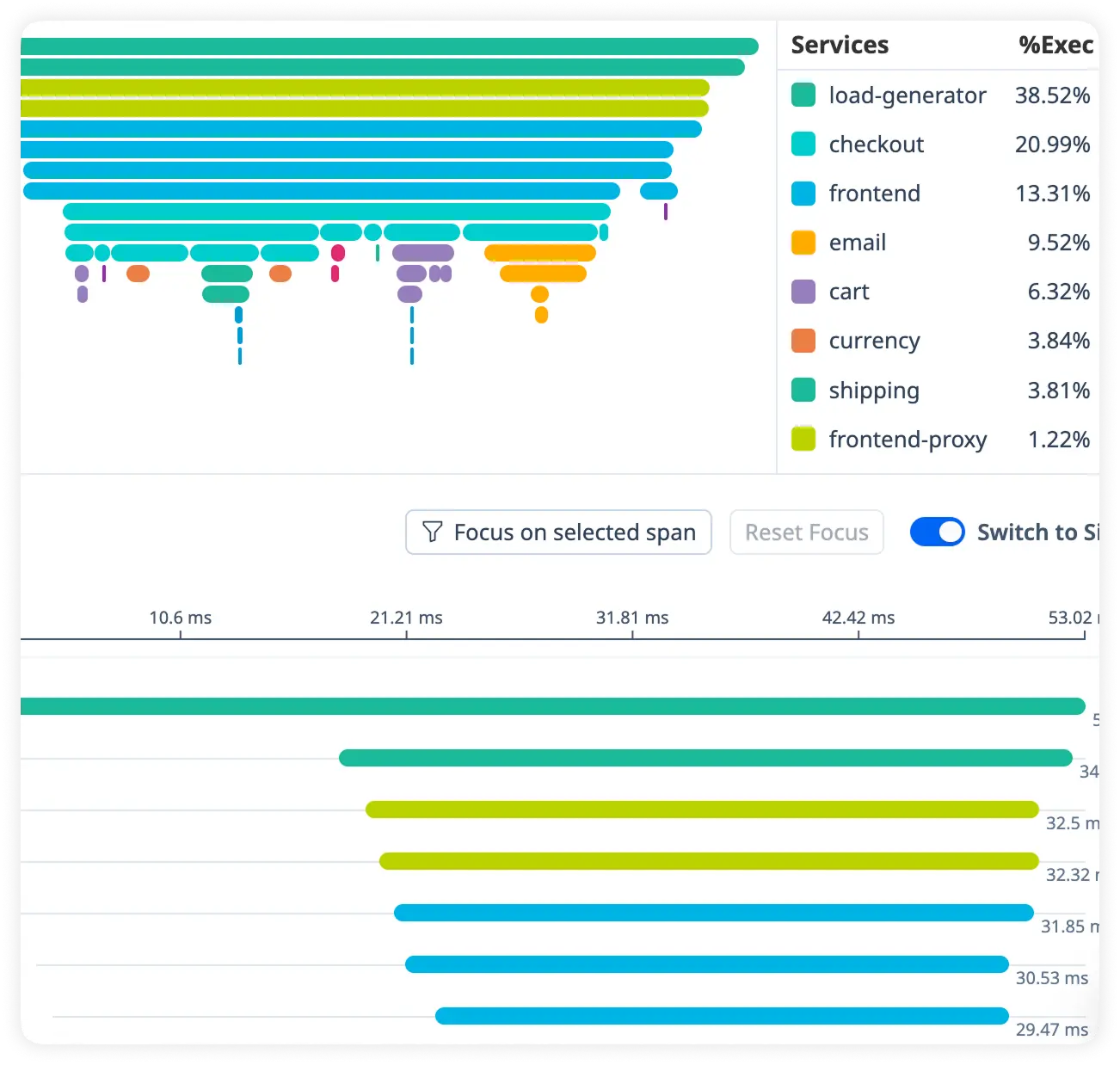
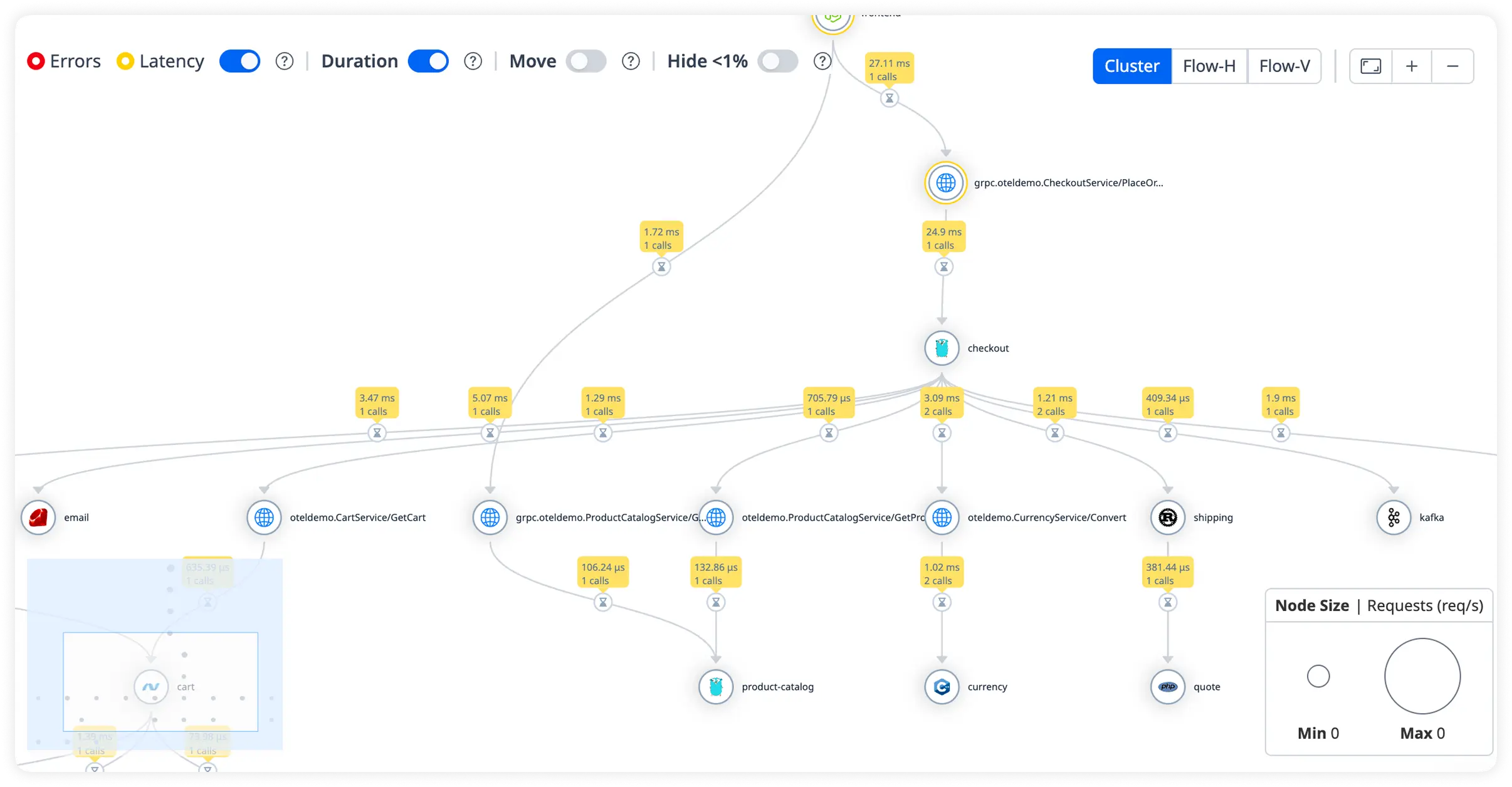
Detailed Request Duration Breakdown
Measure how long each request takes across servlets, handlers, and internal processing layers. Quickly uncover slow execution paths affecting response times.
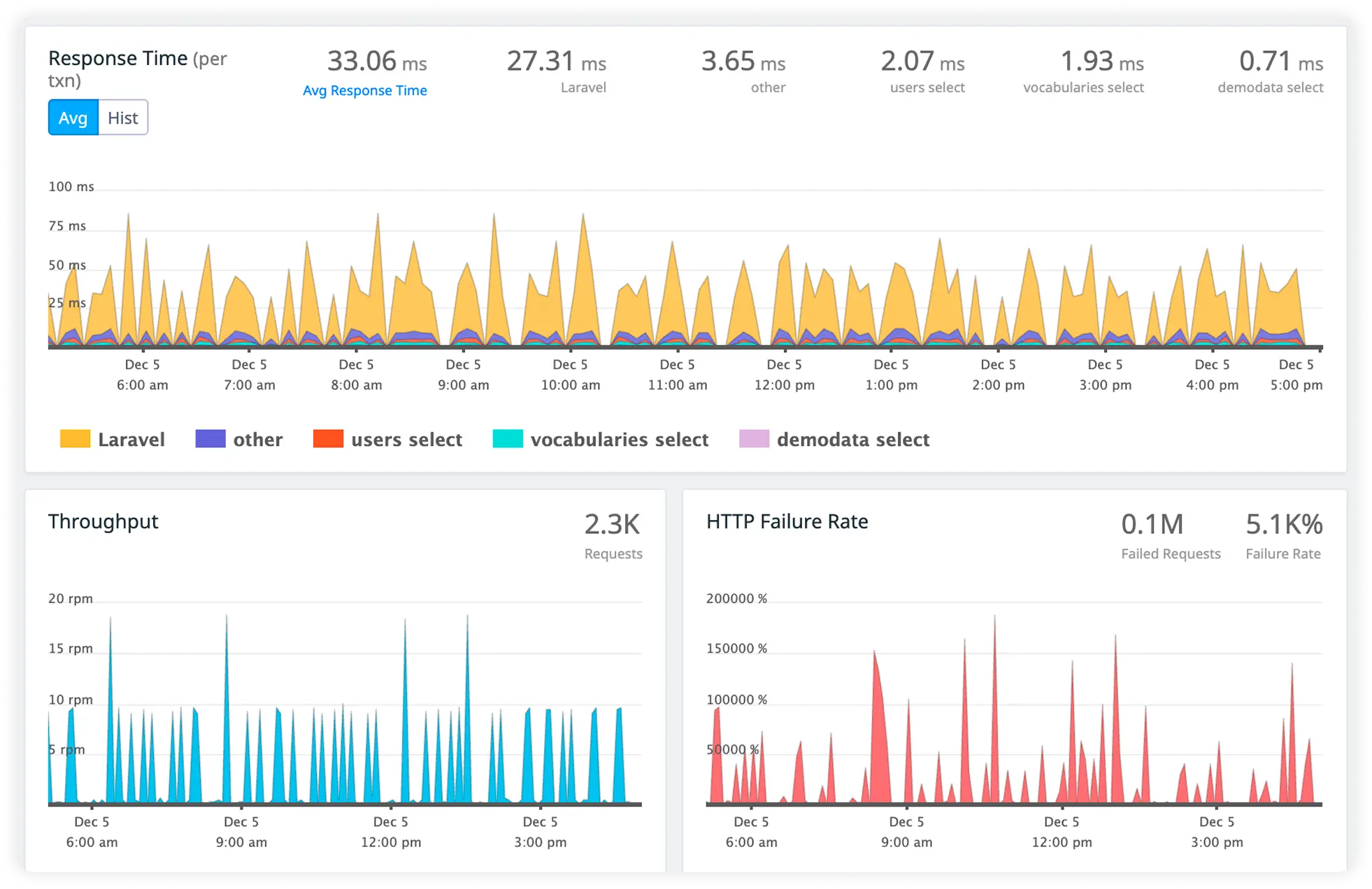
Monitor JVM Response Timing
Track JVM processing time, thread activity, and runtime behavior across requests. Identify performance constraints inside the Java runtime.
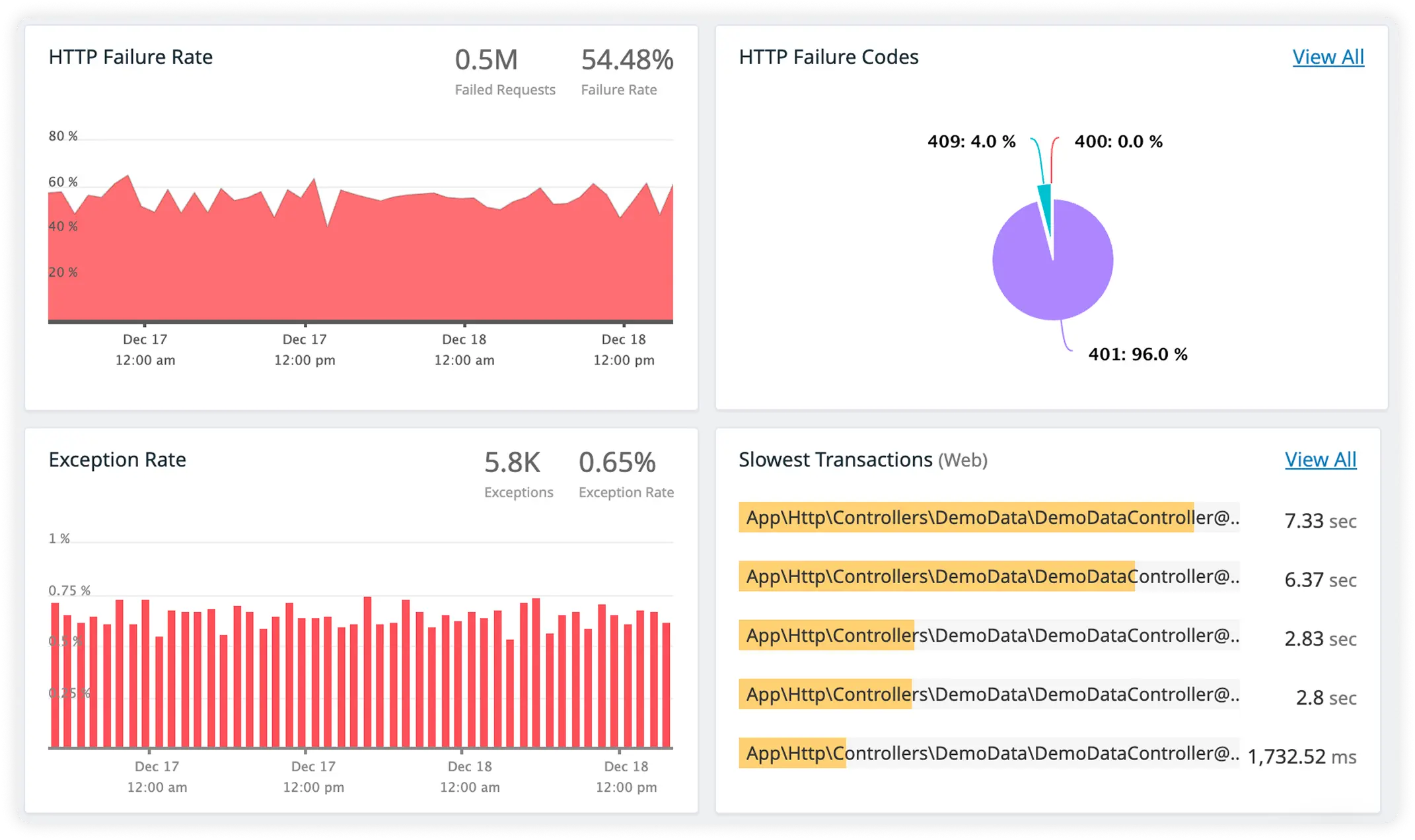
Identify Slow JDBC Calls
Analyze database query execution time and connection latency in real time. Eliminate inefficient database interactions slowing application performance.
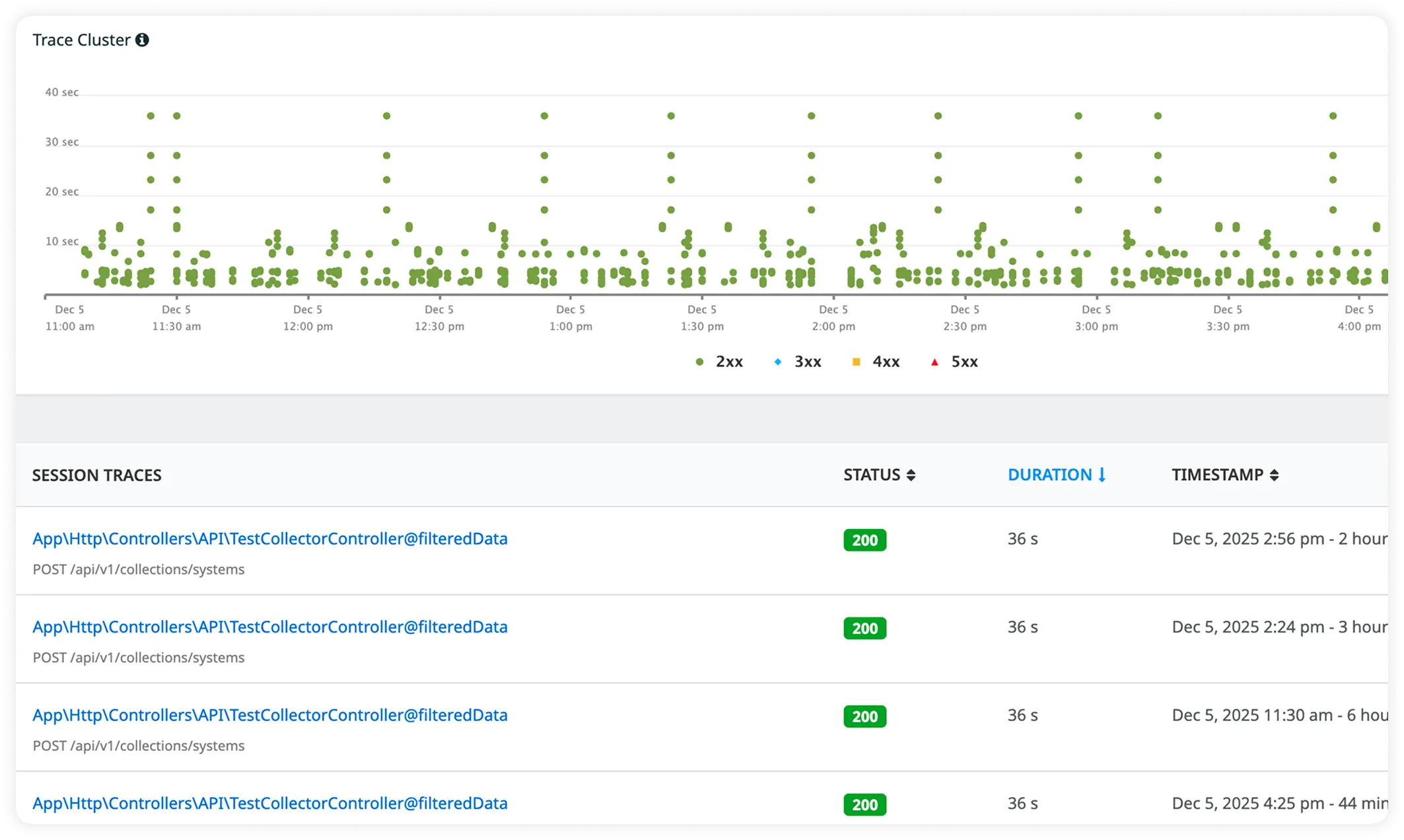
External Dependency Impact with Trace-Linked Logs
Track response times for third-party services alongside correlated request logs. Debug faster while understanding how external dependencies influence performance.
Why Teams Choose Atatus for oracle-weblogic Observability?
Engineering teams choose Atatus when production understanding matters more than surface metrics. It fits how WebLogic systems actually run and fail in the real world.
Clear Runtime Truth
Teams gain a consistent view of execution behavior across JVM layers, reducing ambiguity during diagnosis and decision-making.
Fast Operational Onboarding
Useful production insight becomes available early, without extended setup cycles or deep internal training.
Trusted By Engineers
Engineers rely on the data during incidents because it reflects real execution paths and runtime behavior.
Safe Production Posture
The platform operates alongside live WebLogic workloads without introducing instability or performance risk.
Incident Ready Signals
During failures, teams see execution evidence tied to runtime behavior instead of isolated symptoms.
Scales With Clusters
Visibility remains consistent as node count, traffic volume, and workload complexity increase.
Low Maintenance Overhead
Platform and SRE teams avoid the burden of maintaining complex monitoring pipelines or constant reconfiguration.
Cross Team Alignment
Backend, SRE, and platform teams share a common understanding of production behavior, reducing escalation friction.
Confident Release Decisions
Teams validate runtime impact before and after changes, improving confidence in production releases.
Unified Observability for Every Engineering Team
Atatus adapts to how engineering teams work across development, operations, and reliability.
Developers
Trace requests, debug errors, and identify performance issues at the code level with clear context.
DevOps
Track deployments, monitor infrastructure impact, and understand how releases affect application stability.
Release Engineer
Measure service health, latency, and error rates to maintain reliability and reduce production risk.