
Rails Performance Monitoring
Get end-to-end visibility into your Rails performance with application monitoring tools. Gain insightful metrics on performance bottlenecks with Ruby monitoring to optimize your application.
Why rails Performance Breaks Quietly?
Hidden N+1 Queries
ActiveRecord chains spawn undetected query storms during peak traffic, bloating response times without console reproduction. Rails console shows clean queries, but production logs reveal 50+ SQL calls per request under concurrent load.
Silent Background Failures
Sidekiq jobs hang in Redis backlogs, unobserved until user complaints surface days later. Failed retries exhaust queues silently, dropping throughput 30% without dashboard alerts or job duration histograms.
Untraced External Calls
Third-party API latencies cascade through controllers, masking true bottlenecks in request waterfalls. Stripe/PayPal timeouts add 2s per checkout without span breakdowns, forcing manual log grep across services.
Memory Leak Escalation
Heap fragmentation from unoptimized gems accumulates silently, crashing Puma workers unpredictably. ImageMagick or Nokogiri allocations grow 500MB/hour under photo uploads, undetectable without heap dump analysis.
Database Lock Contention
Concurrent transactions deadlock under scale, freezing writes with no query-level diagnostics. PostgreSQL row locks from nested transactions halt 100 RPS writes; SHOW locks reveals nothing without trace context.
Garbage Collection Pauses
Ruby GC cycles spike during high alloc, stalling throughput without runtime profiling visibility. Major GC pauses hit 1.2s during JSON serialization peaks, dropping 80% requests from sub-200ms SLA.
Clustering Sync Delays
Infinispan cache invalidations lag in clustered setups, causing stale data reads without replication latency traces.
Cache Invalidation Chaos
Stale Redis entries trigger thundering herds, overwhelming DBs without hit/miss ratio breakdowns. Key expiry floods Postgres with 10k SELECTs/sec after flash sale cache clear, no cache layer observability.
Complete Performance Visibility for
Rails Applications
Real-time observability for Rails workloads that helps teams understand request flow, optimize performance, and resolve production issues faster.
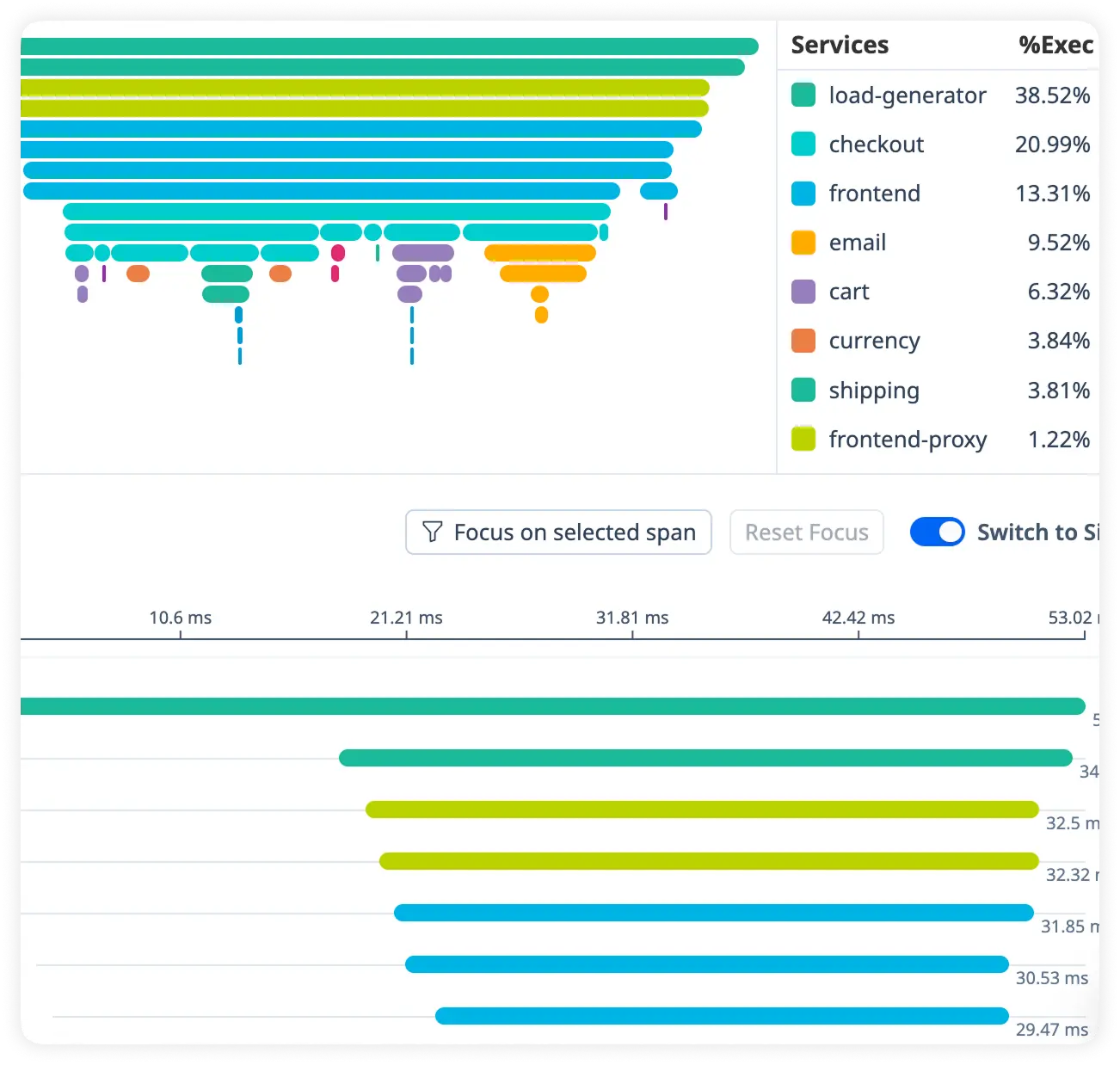
Detailed Request Duration Breakdown
Track how long each request takes across controllers, middleware, and background processes. Quickly uncover slow execution paths affecting response times.
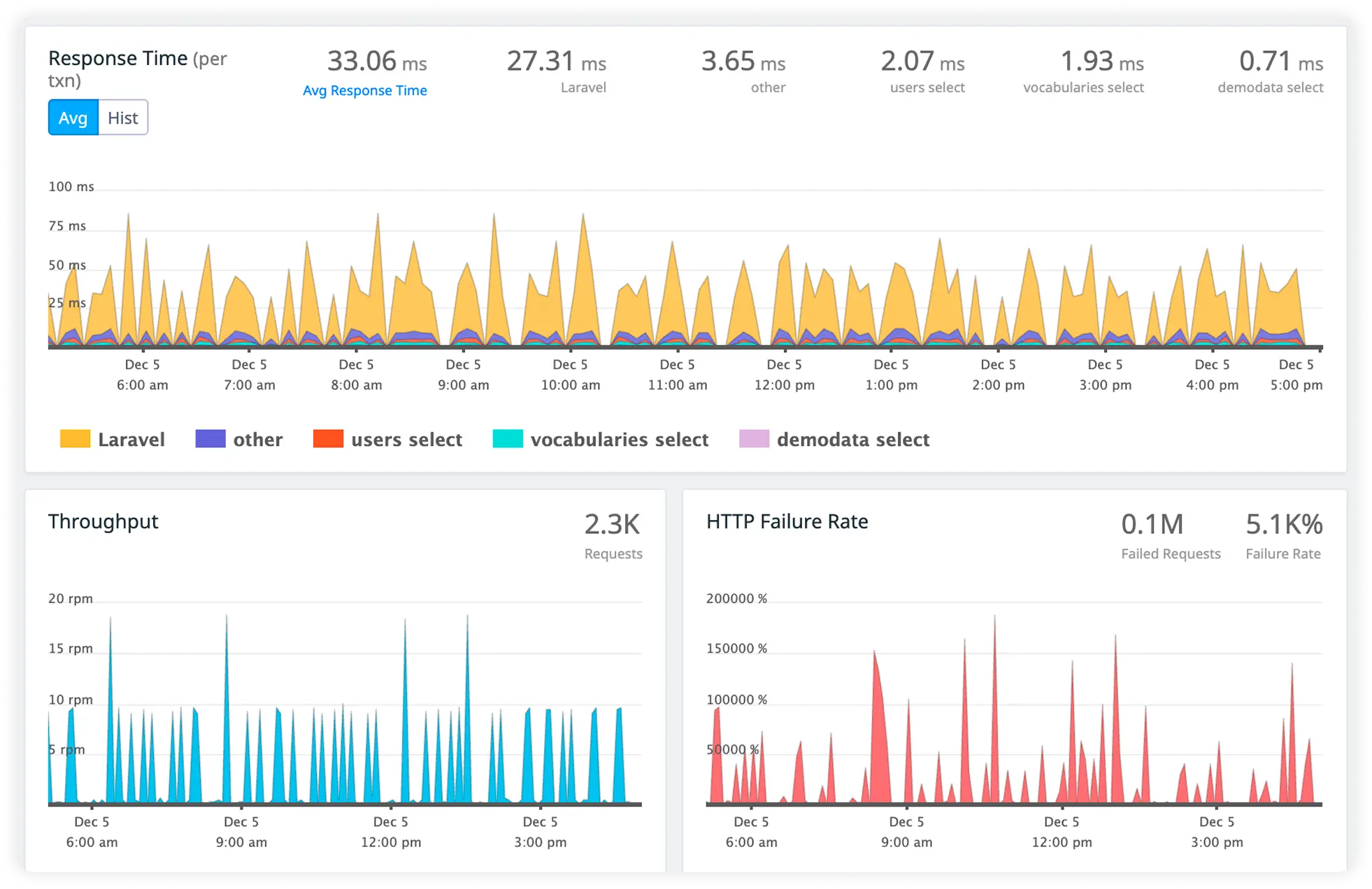
Identify Slow Database Query Timing
Monitor query execution time and database latency in real time. Eliminate inefficient queries slowing application performance.
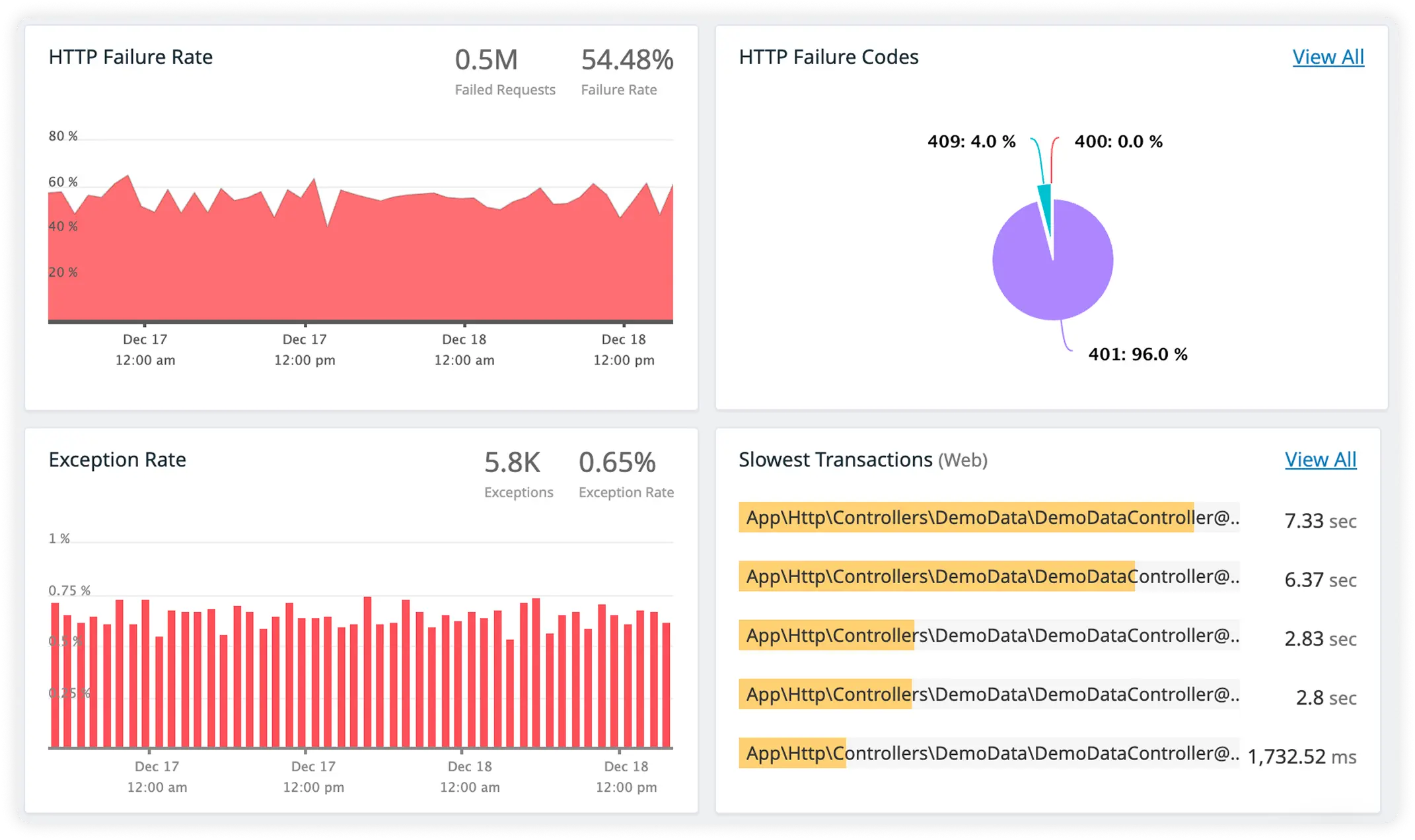
Understand Cache Impact Visibility
Measure how caching layers influence request speed and load reduction. Spot cache misses and performance gaps affecting application responsiveness.
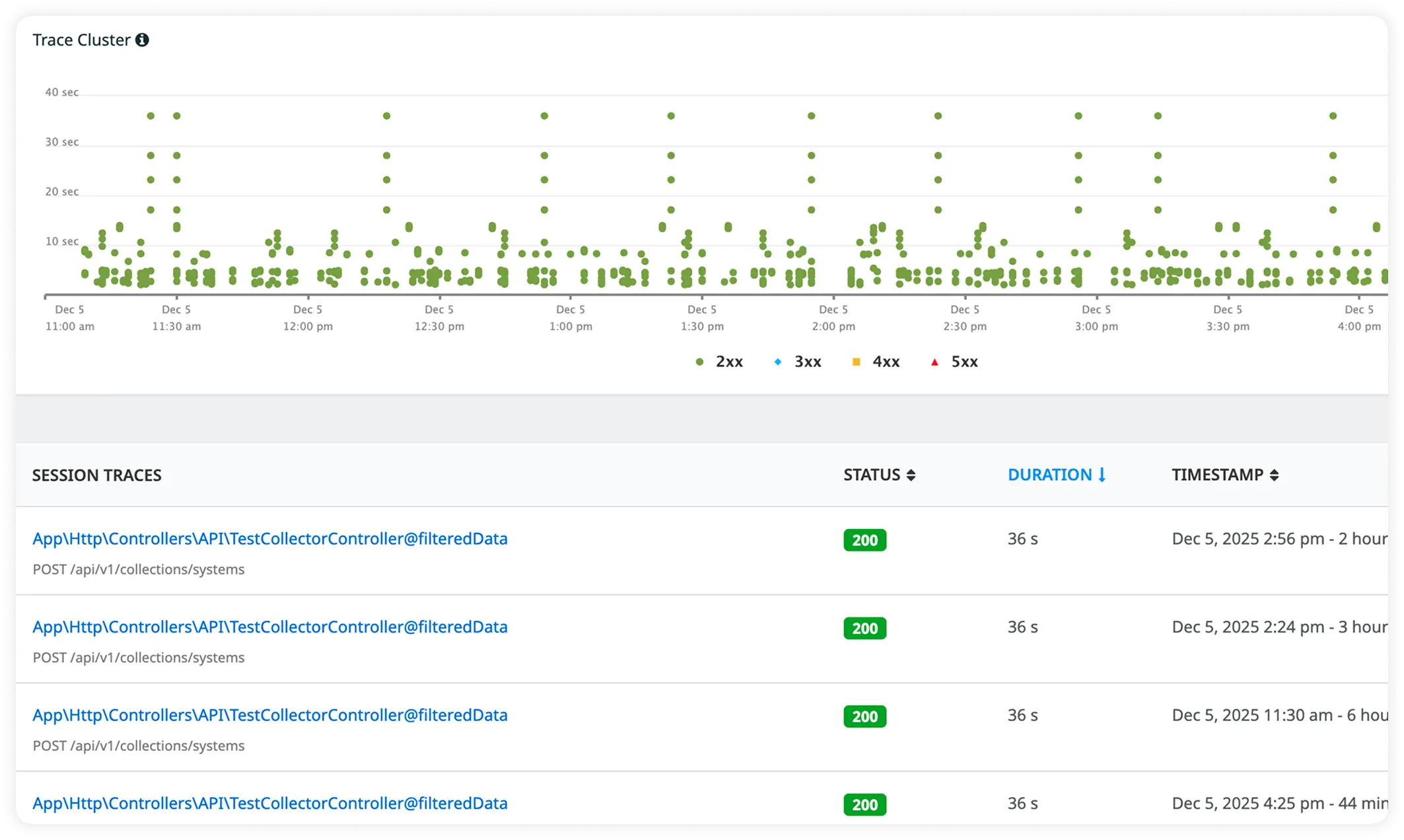
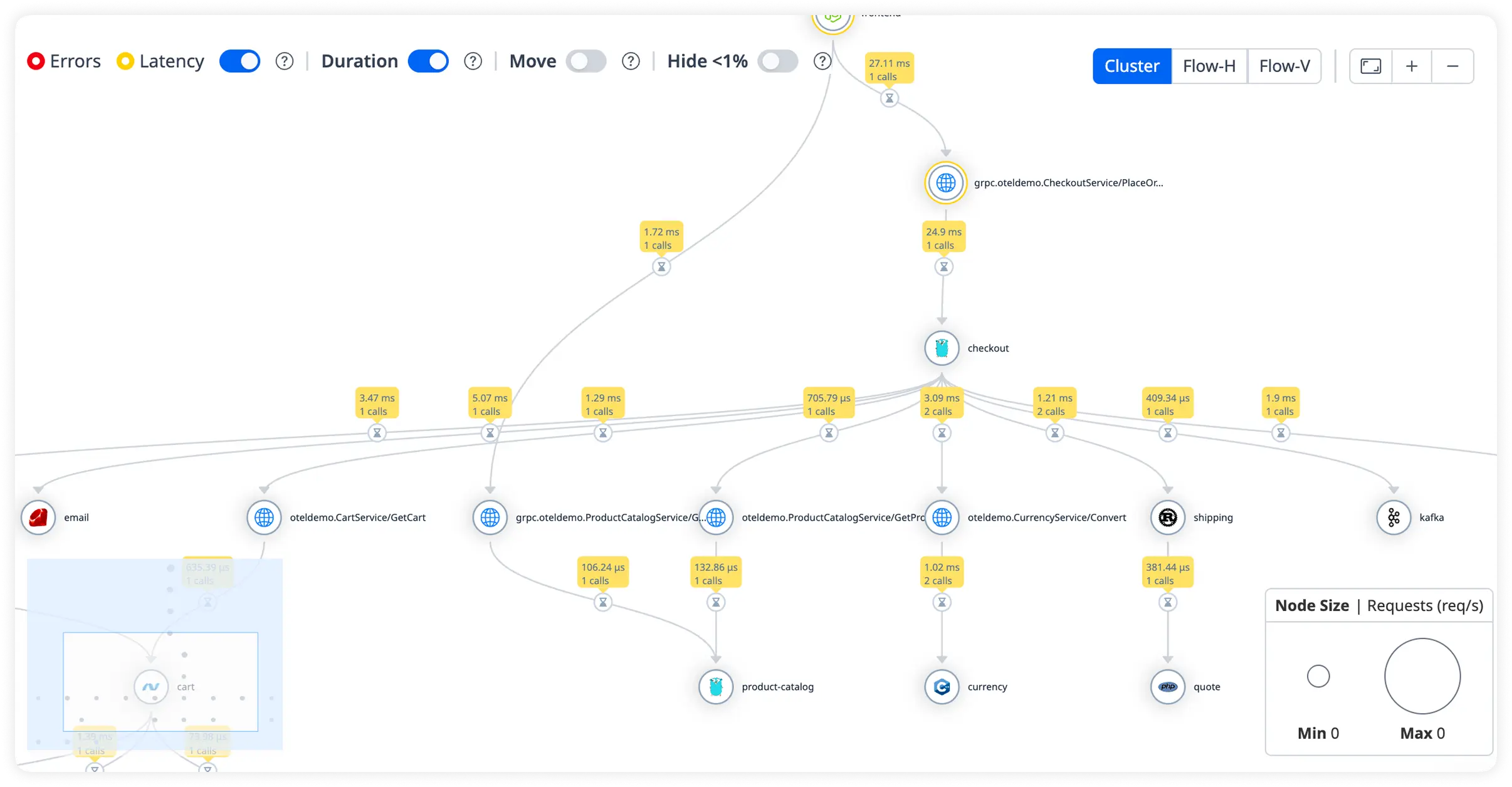
External Service Timing with Execution Flow Metrics
Track response times for third-party APIs while analyzing execution flow across your application. Understand how external dependencies and internal processing affect overall performance.
Why Teams Choose Atatus for rails Observability?
Engineering leads select Atatus for precise trace correlation that cuts debugging from hours to minutes. Backend, SRE, and platform owners gain runtime fidelity matching staging confidence.
Trace-Level Clarity Emerges
Distributed spans link DB calls to HTTP endpoints, exposing latency sources in production flows.
Onboard in Minutes
Agentless integration hooks rails management APIs directly, yielding metrics streams without code rewrites.
Onboard in Minutes
Ruby gem installs yield instant metrics, skipping YAML config rituals and agent tuning.
Devs Retain Control
Raw trace data empowers code-level fixes without vendor lock-in or sampling distortions.
Alerts Prevent Escalation
Threshold breaches notify via PagerDuty, preempting outages before SLOs breach.
Scale Without Overhead
Low-byte agents handle 10k+ RPS, preserving CPU headroom across Heroku dynos.
Logs Correlate Seamlessly
Runtime traces align with Rails logs, surfacing exceptions in execution context.
Custom Metrics Fit Workflows
KPIs like job throughput integrate directly, driving data-backed capacity planning.
Confident Release Decisions
Teams validate runtime impact before and after changes, improving confidence in production releases.
Unified Observability for Every Engineering Team
Atatus adapts to how engineering teams work across development, operations, and reliability.
Developers
Trace requests, debug errors, and identify performance issues at the code level with clear context.
DevOps
Track deployments, monitor infrastructure impact, and understand how releases affect application stability.
Release Engineer
Measure service health, latency, and error rates to maintain reliability and reduce production risk.