
Symfony Application Performance Monitoring
Get end-to-end visibility into your Symfony performance with application monitoring tools. Gain insightful metrics on performance bottlenecks with PHP monitoring to optimize your application.
Why Symfony Systems Fail Quietly in Production?
Missing Context
Symfony requests traverse controllers, middleware, services, and async boundaries. When failures appear, teams lack execution context to understand what actually happened within a single request lifecycle.
Slow Triage
Incidents demand answers in minutes, but Symfony stacks generate fragmented signals. Engineers jump between logs, metrics, and traces, extending mean time to understanding instead of fixing.
Hidden Coupling
Symfony encourages modular design, but production behavior reveals tight coupling between services, workers, and third-party dependencies that are invisible during development.
Async Blindness
Queues, background workers, and scheduled jobs run outside normal request flows. When they stall or fail, teams struggle to connect them back to triggering user actions.
Scale Surprises
Traffic spikes, batch jobs, and cron bursts expose performance cliffs that never appeared in staging. Capacity assumptions break without warning.
Error Flooding
One misbehaving endpoint can generate thousands of downstream failures. Without aggregation and correlation, teams drown in noise instead of identifying the real trigger.
Release Uncertainty
Deployments introduce subtle behavioral shifts. Without production-grade visibility, teams cannot confidently separate code regressions from infrastructure side effects.
Ownership Confusion
Platform, SRE, and backend teams see different symptoms of the same issue. Lacking a shared operational view, accountability becomes unclear during incidents.
Deep Performance Insight for
Symfony Applications
End-to-end observability for Symfony that helps teams understand runtime behavior, optimize application performance, and maintain reliable production systems.
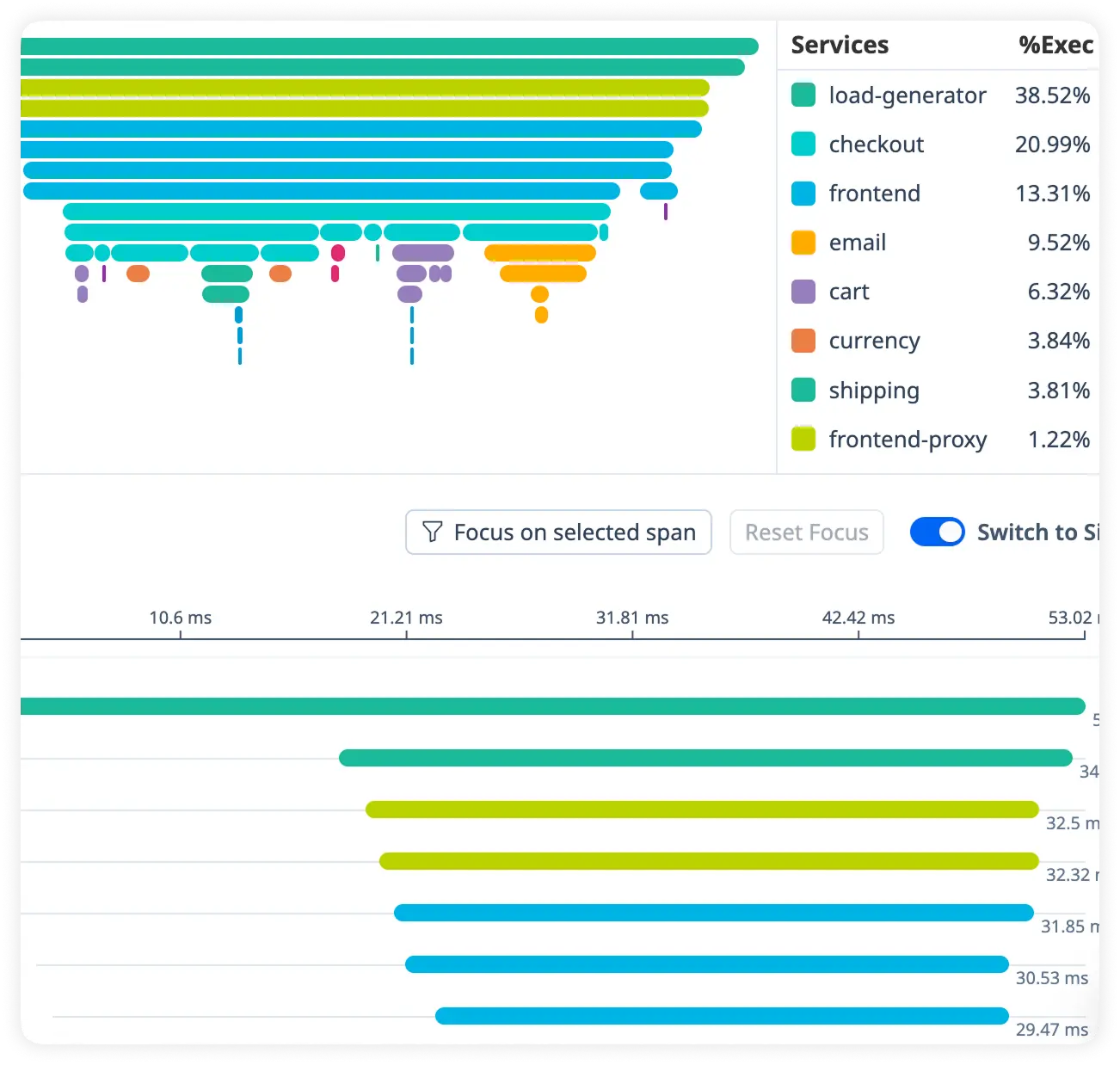
Optimize Symfony Route Efficiency
Analyze performance at the route and controller level to identify slow endpoints and traffic-heavy paths. Quickly surface latency issues affecting user requests.
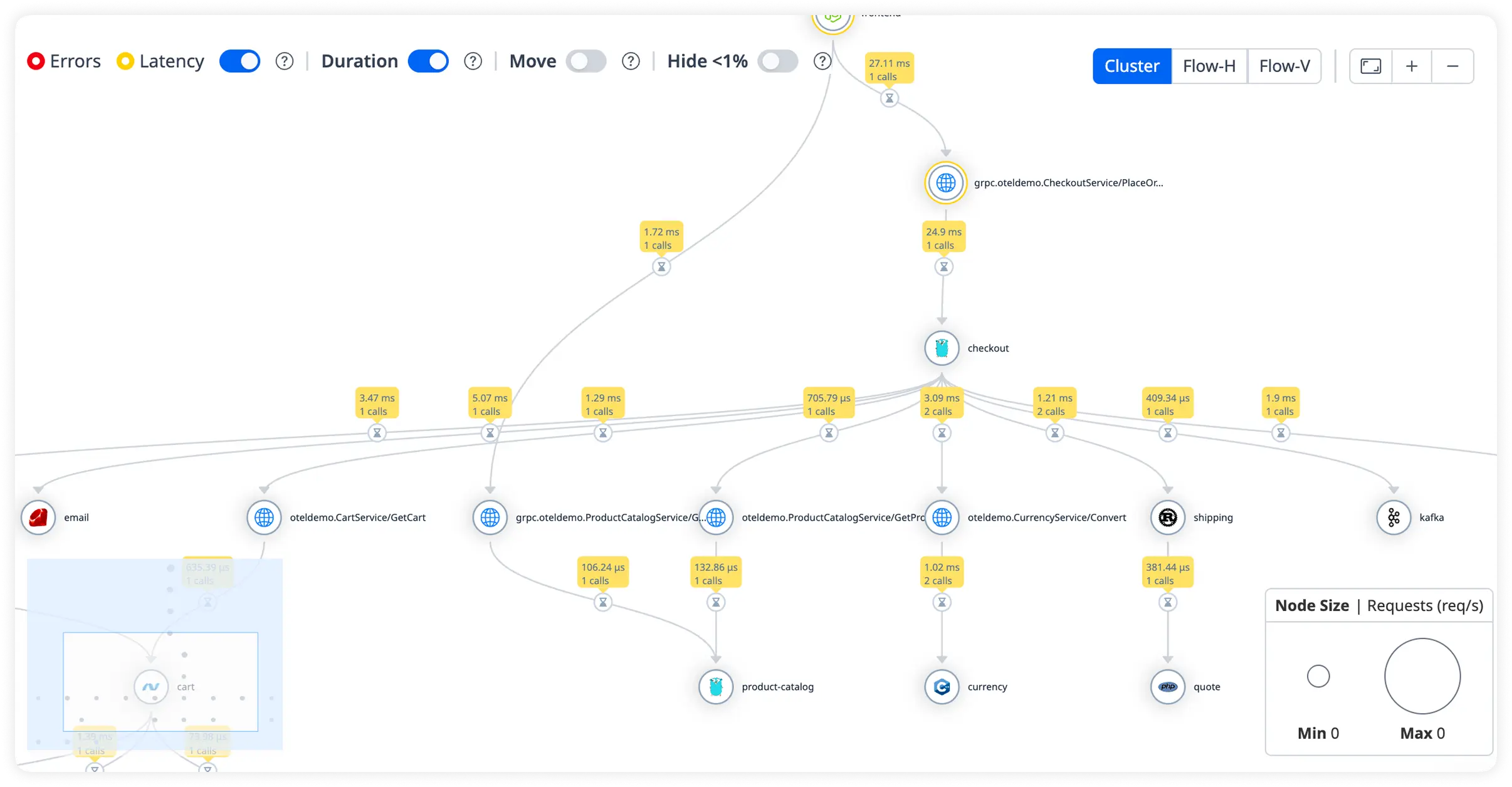
Uncover Service Layer Delays
Track how Symfony services interact across the application stack. Detect processing slowdowns inside business logic before they cascade into user-facing performance problems.
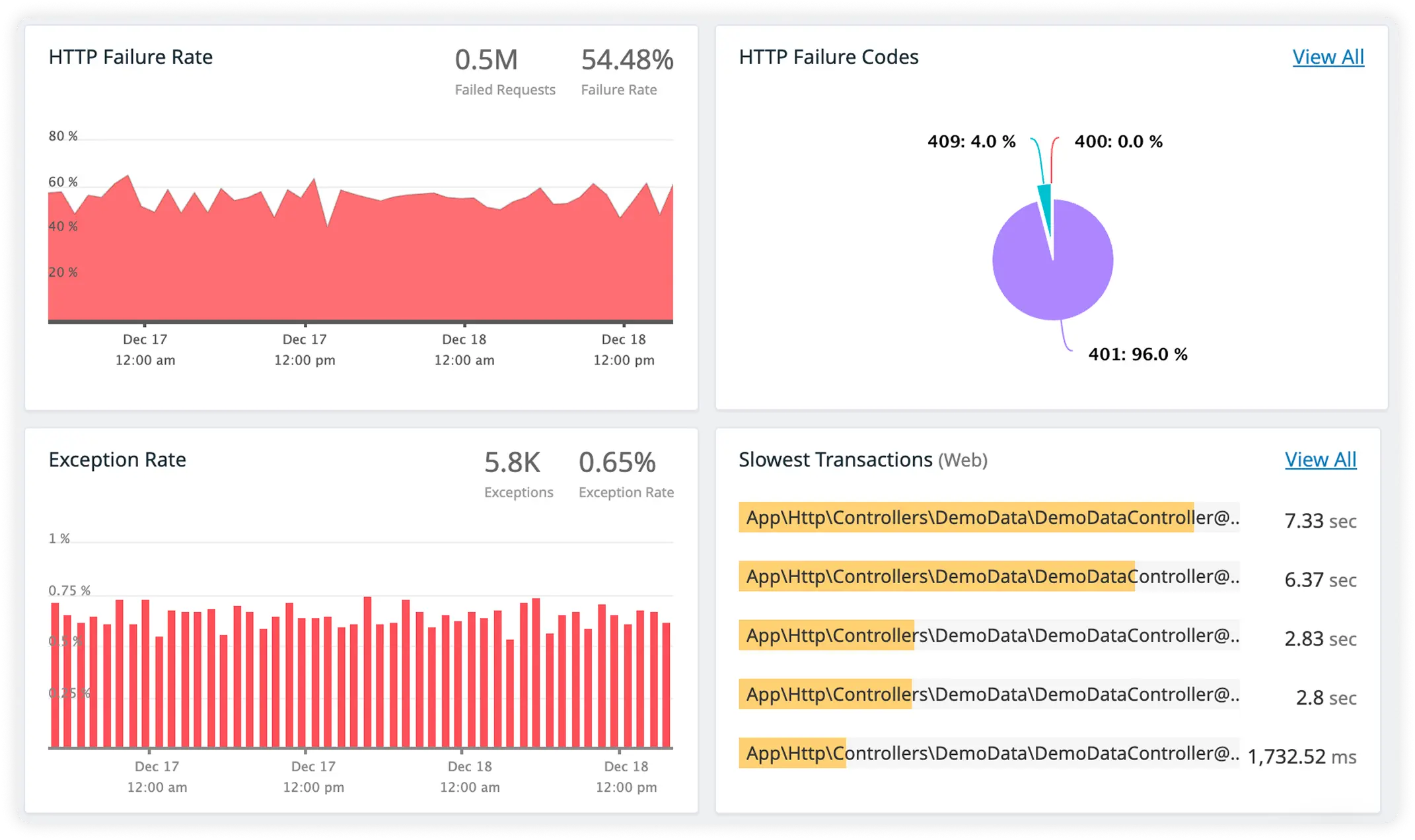
Actionable Database Query Insight
Monitor query execution times, slow queries, and database load in real time. Eliminate inefficiencies that impact application responsiveness.
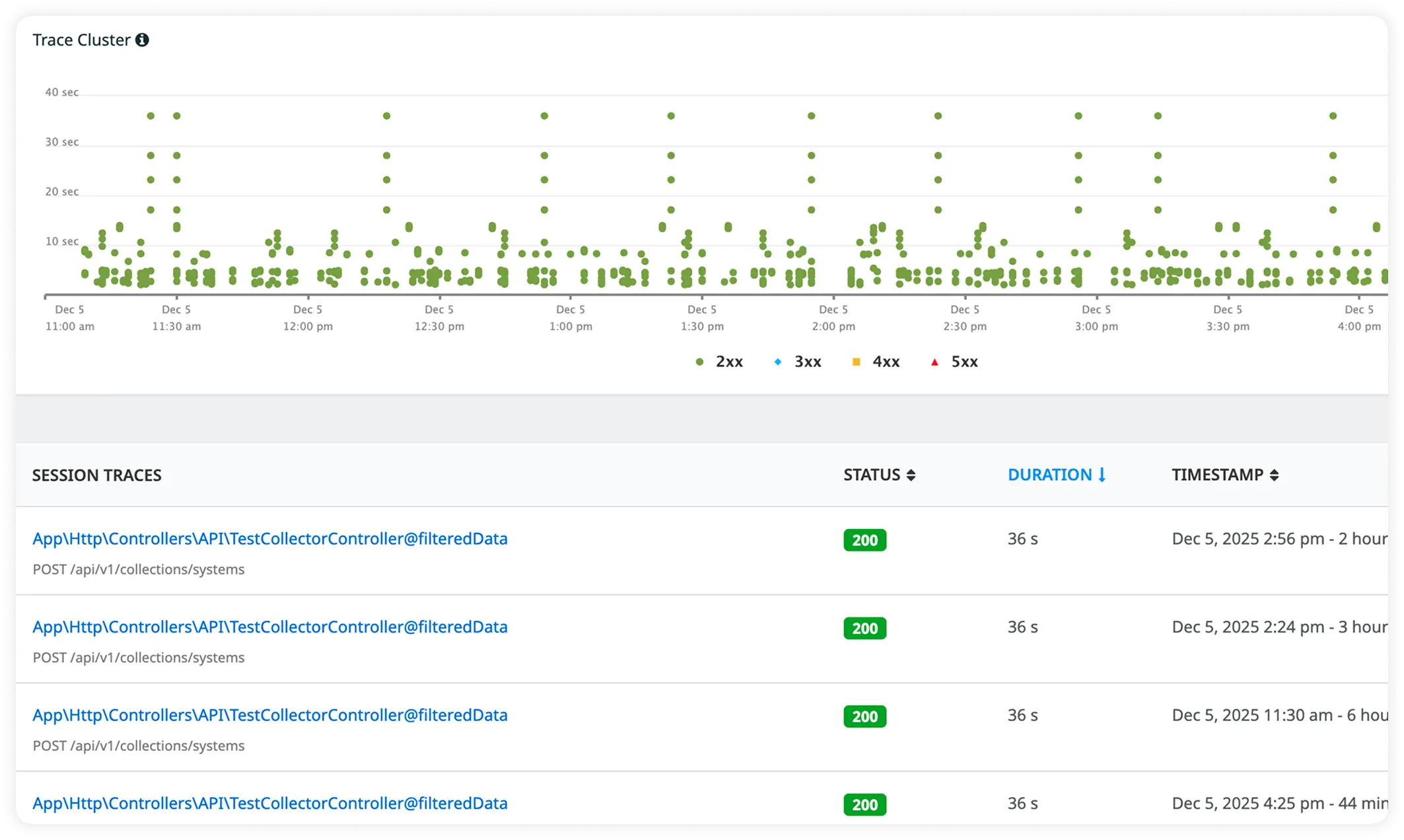
External Call Impact and Error Trace Detail
Measure performance of third-party APIs and integrations alongside detailed Symfony error stack traces. Pinpoint failures while understanding how external dependencies affect overall request flow.
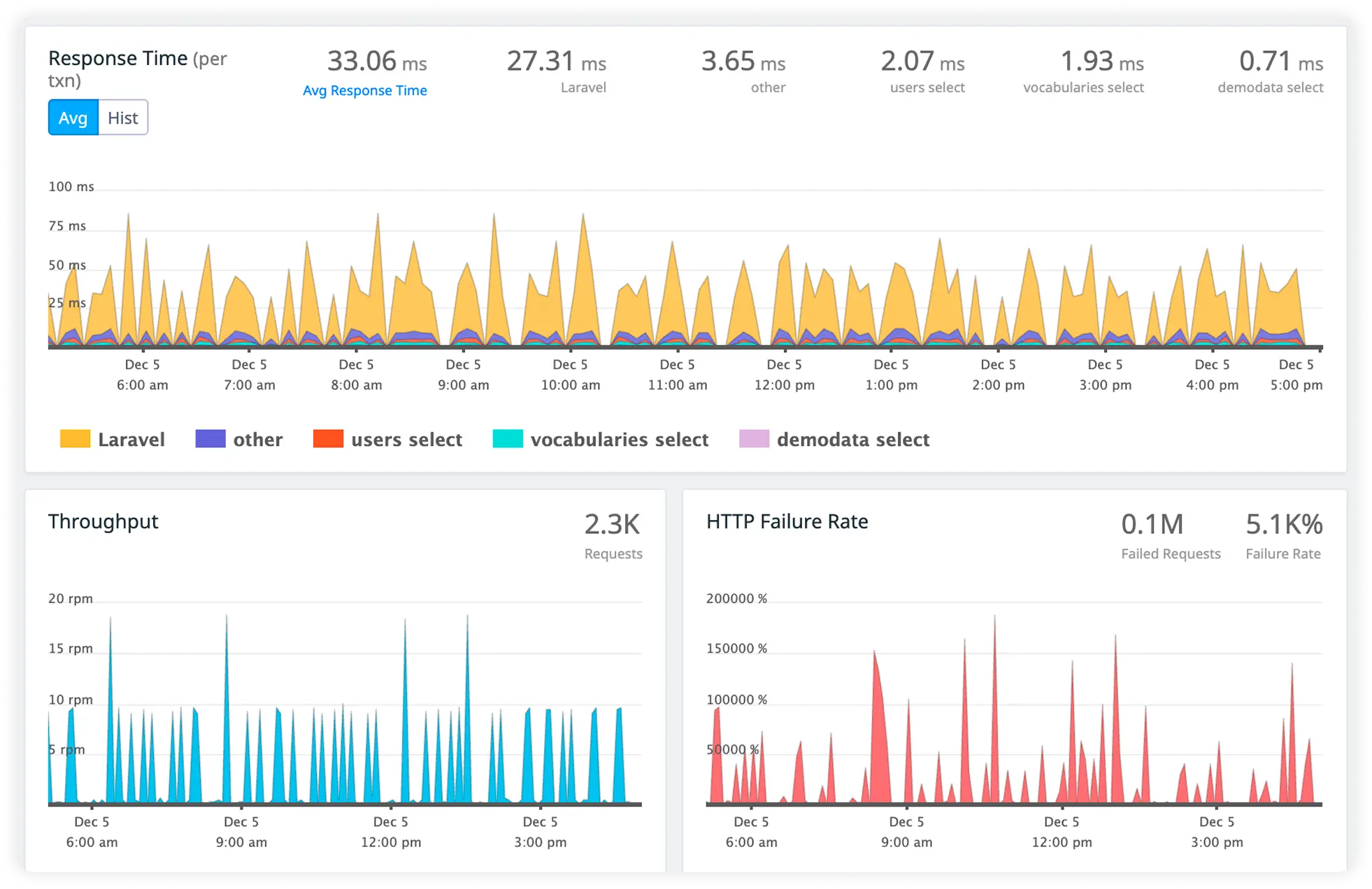
How Atatus Understands Symfony Execution?
Kernel Lifecycle
Execution is tracked across the full Symfony kernel flow, from request initialization through controller resolution and response termination, without losing intermediate execution context.
Event Ordering
Symfony relies heavily on events and listeners. Atatus helps engineers reason about listener execution order, cumulative cost, and side effects across the request lifecycle.
Container Resolution
Service instantiation and dependency resolution occur dynamically at runtime. Atatus exposes when container lookups, lazy loading, or shared services introduce unexpected overhead.
Listener Fanout
Single events often trigger multiple listeners with cascading effects. Atatus makes it possible to understand how fanout contributes to latency or failures.
Worker Continuity
Queue consumers and background workers do not exist in isolation. Atatus maintains execution continuity between request-triggered jobs and long-running worker processes.
Memory Drift
Long-running Symfony workers accumulate state over time. Atatus surfaces memory behavior patterns that only emerge under sustained execution.
Exception Propagation
Exceptions in Symfony are frequently wrapped, rethrown, or converted. Atatus allows engineers to follow exception lineage back to the originating execution point.
Environment Divergence
Production behavior often diverges from staging due to container compilation, cache state, or worker longevity. Atatus helps expose these environment-specific execution differences.
Dependency Drift
Injected services may change behavior due to configuration or runtime state. Atatus helps teams identify when dependency behavior drifts during long-running processes.
Unified Observability for Every Engineering Team
Atatus adapts to how engineering teams work across development, operations, and reliability.
Developers
Trace requests, debug errors, and identify performance issues at the code level with clear context.
DevOps
Track deployments, monitor infrastructure impact, and understand how releases affect application stability.
Release Engineer
Measure service health, latency, and error rates to maintain reliability and reduce production risk.