
Operational Logging for MariaDB Clusters and Queries
Track table-level operations, cluster synchronization activity, execution behavior, and access events across MariaDB workloads in real time.
Monitor MariaDB logs to diagnose performance, replication, and stability issues
Analyze slow MariaDB queries
Inspect MariaDB slow query logs to identify long-running SQL statements, missing indexes, inefficient joins, and queries causing CPU or I/O saturation.
Track query execution errors
Capture MariaDB error log entries related to syntax failures, deadlocks, lock wait timeouts, and transaction rollbacks affecting application behavior.
Monitor replication log events
Follow MariaDB replication logs to detect slave I/O errors, SQL thread failures, replication lag, and binlog inconsistencies.
Detect startup and shutdown issues
Analyze MariaDB startup and shutdown log messages to identify configuration errors, corrupted tables, plugin failures, and recovery problems.
Observe storage engine behavior
Review InnoDB and Aria engine log entries to understand buffer pool pressure, page flush activity, redo log waits, and table-level locking.
Track authentication and access failures
Monitor MariaDB logs for failed login attempts, host-based access denials, SSL connection errors, and privilege misconfigurations.
Identify resource-related warnings
Detect MariaDB log warnings related to disk space exhaustion, open file limits, thread pool saturation, and memory allocation failures.
Correlate database and application logs
Link MariaDB log events with application logs to trace database errors back to specific requests, services, or deployments.
Query Operations and Table Activity
- Track log entries across SELECT, INSERT, UPDATE, DELETE, stored procedures, and table-level operations to understand workload behavior in MariaDB environments.
- Correlate query logs with application transactions and connection sessions to trace read and write execution flows.
- Identify failed queries, lock waits, and deadlock events affecting database responsiveness.
- Detect disruptions in table access patterns impacting data availability and query performance.
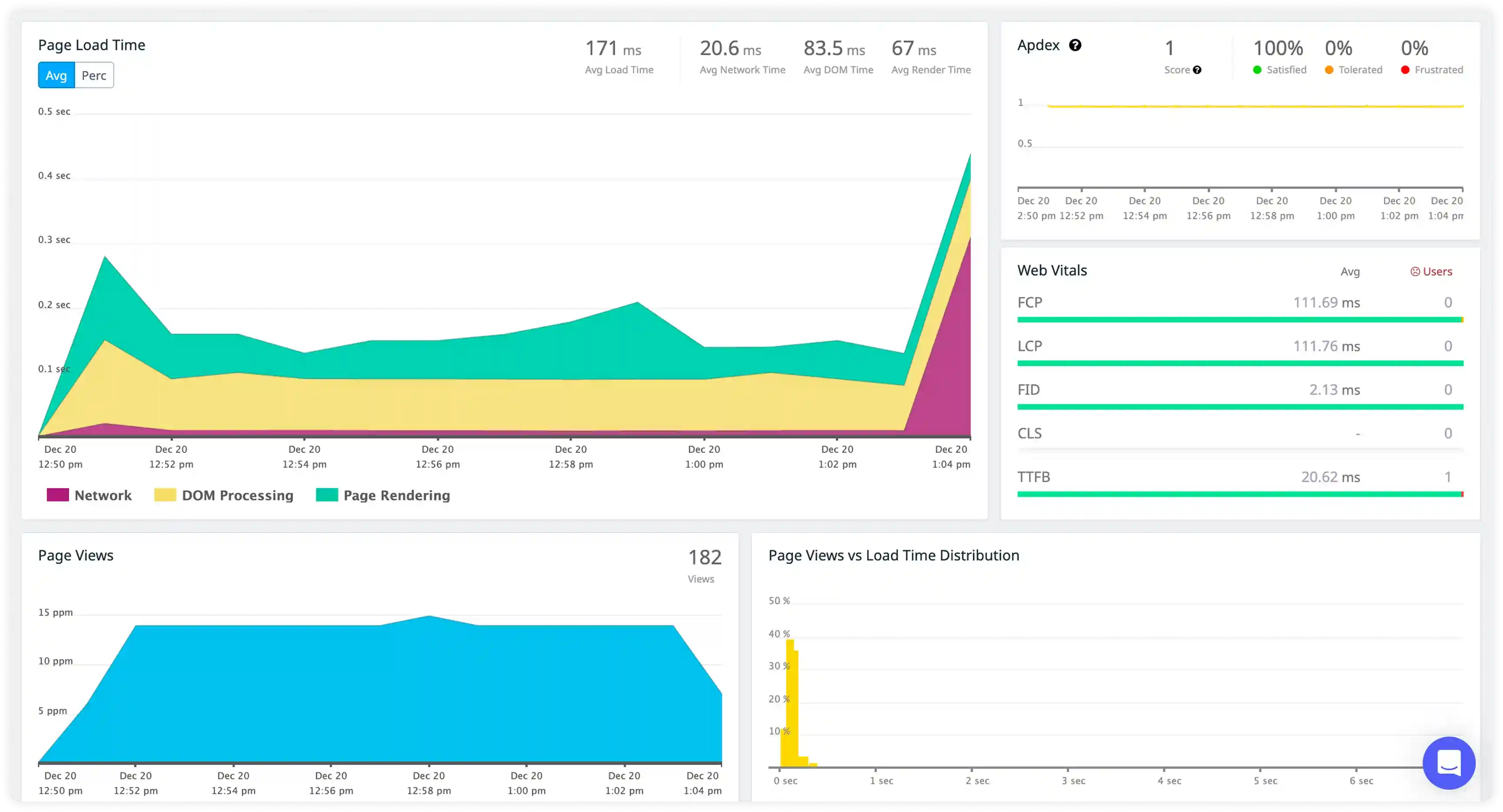
Replication and Cluster Diagnostics
- Capture binary log events, replication status logs, and Galera cluster communication activity across MariaDB deployments.
- Correlate replication lag and node state transitions with workload spikes and infrastructure conditions.
- Identify recurring synchronization failures and cluster inconsistencies affecting reliability.
- Detect operational risks impacting failover readiness and distributed data consistency.
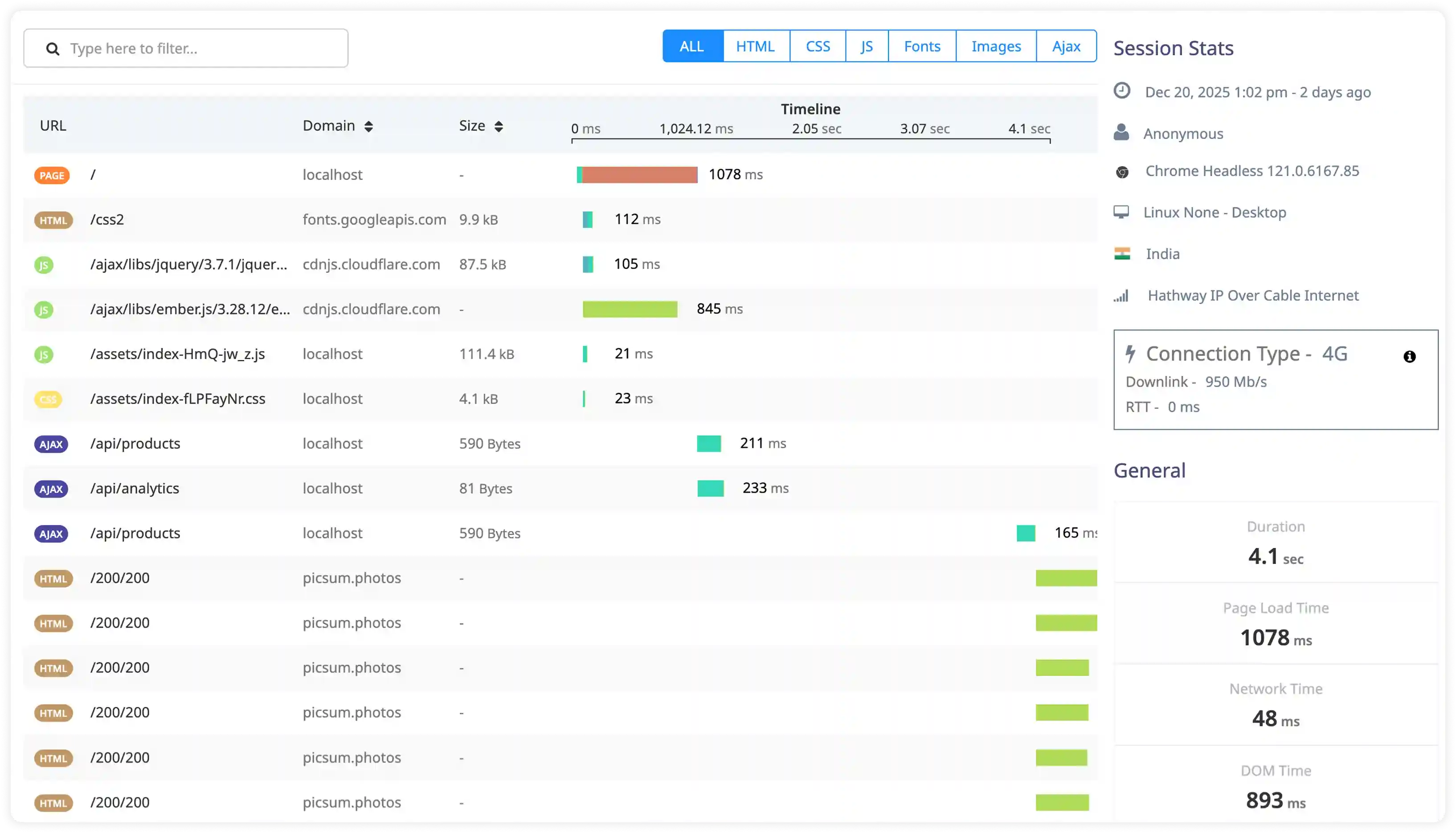
Performance and Index Utilization Signals
- Analyze slow query logs, optimizer traces, and index usage signals affecting MariaDB performance.
- Correlate query behavior with indexing strategy, schema design, and workload distribution patterns.
- Identify inefficient queries, missing indexes, and resource contention increasing latency.
- Detect performance degradation through abnormal execution timing and irregular query patterns.
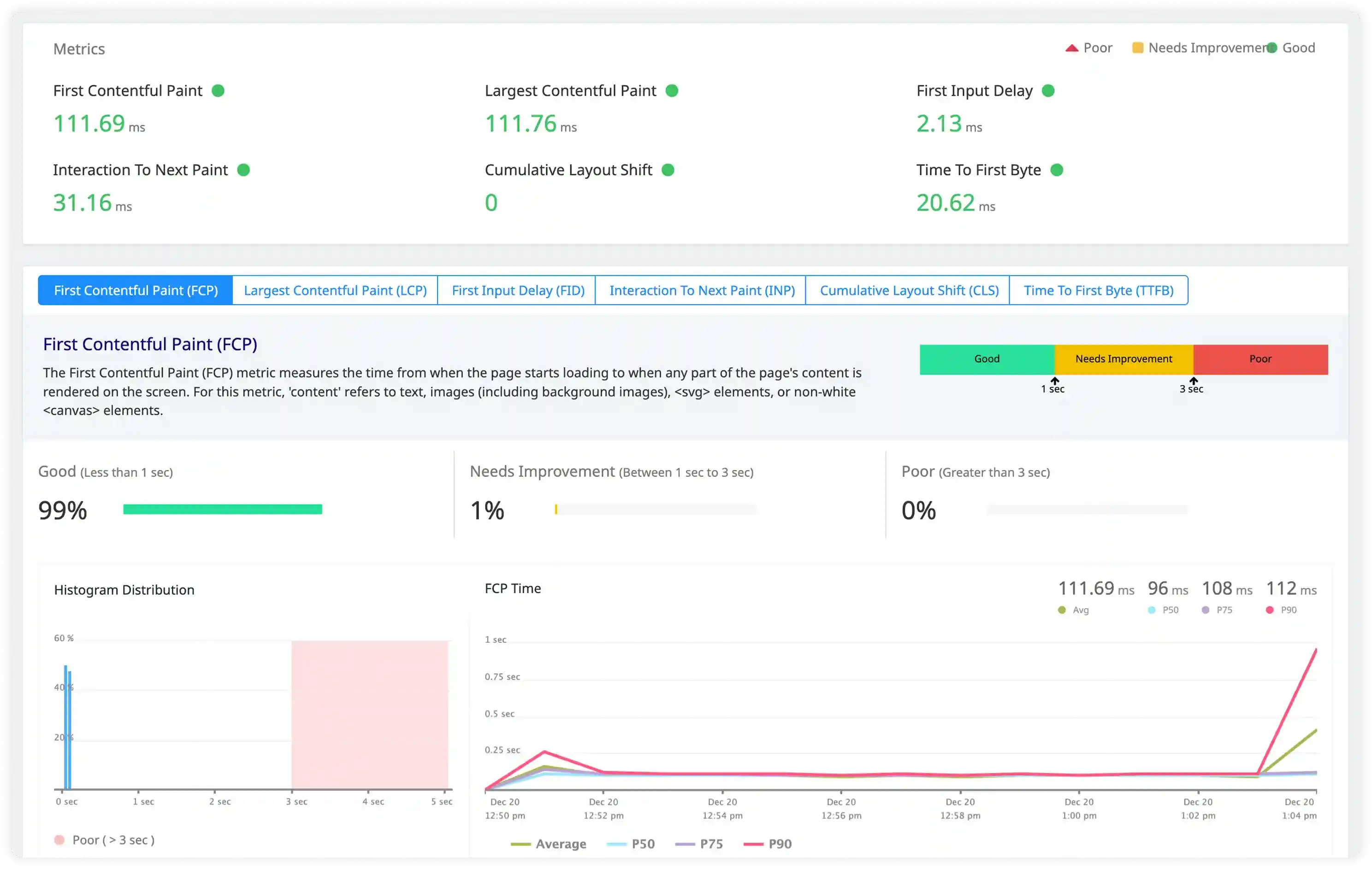
Security and Access Monitoring
- Track authentication attempts, privilege changes, and suspicious database activity captured in MariaDB logs.
- Identify abnormal access patterns, misuse attempts, and unauthorized operations affecting data integrity.
- Correlate database logs with application and infrastructure activity for incident investigation.
- Detect operational and security risks affecting MariaDB deployments.
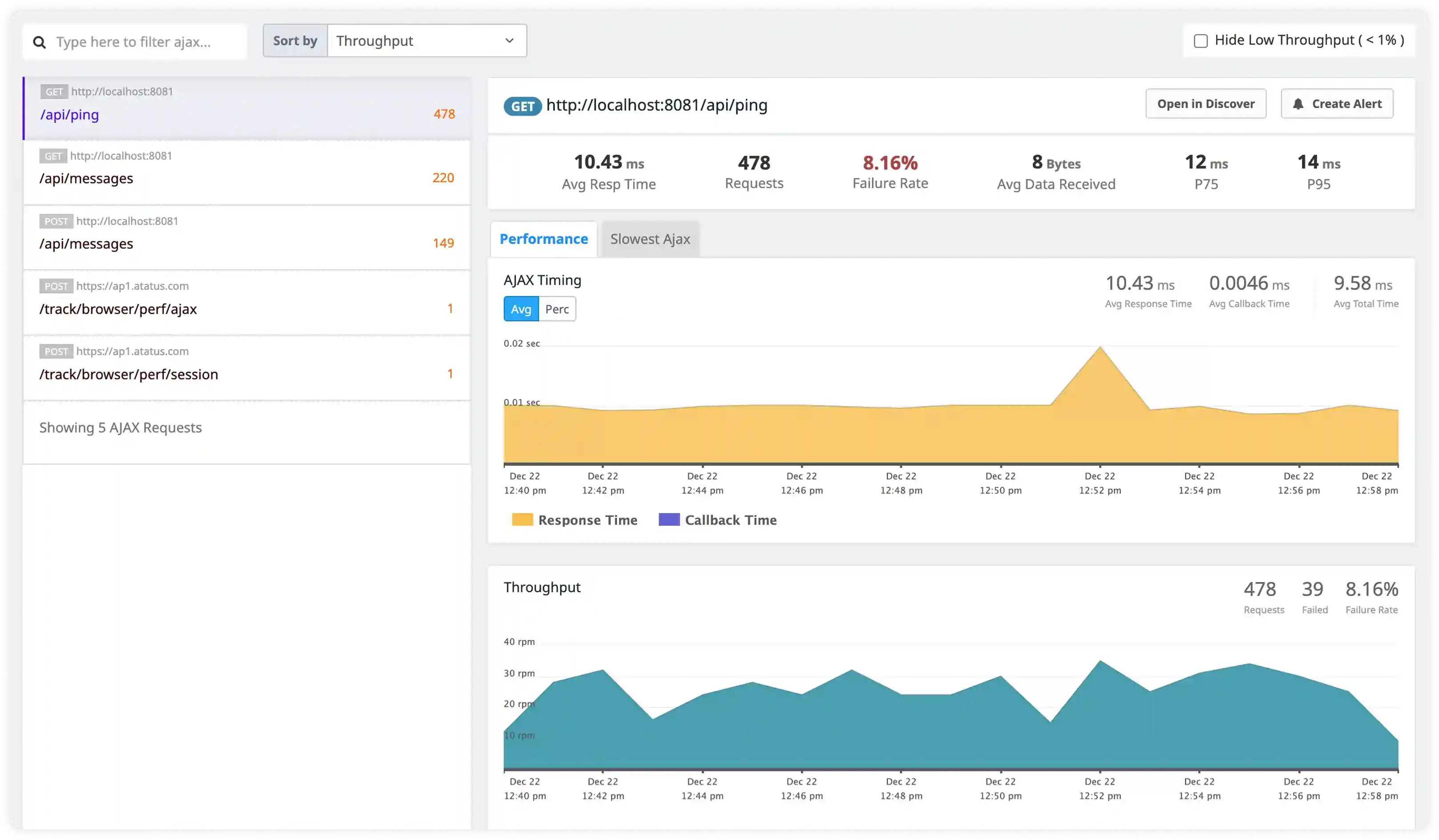
Why teams choose Atatus for MariaDB logs monitoring
MariaDB-native parsing
Atatus interprets MariaDB error, slow query, and replication logs with structured field extraction automatically.
Centralized log visibility
Atatus collects logs from standalone servers, replicas, and clusters into a unified timeline.
Precision log filtering
Atatus enables fast searches by database, user, host, query type, and error code.
Real-time alerting
Atatus triggers alerts on slow query spikes, replication failures, and critical log events.
Faster root cause analysis
Atatus correlates MariaDB log anomalies with application and infrastructure signals.
Scale-ready ingestion
Atatus reliably handles high-volume MariaDB logs during peak operations and maintenance.
Unified Observability for Every Engineering Team
Atatus adapts to how engineering teams work across development, operations, and reliability.
Developers
Trace requests, debug errors, and identify performance issues at the code level with clear context.
DevOps
Track deployments, monitor infrastructure impact, and understand how releases affect application stability.
Release Engineer
Measure service health, latency, and error rates to maintain reliability and reduce production risk.