
Gain visibility into MySQL workload behavior and operational stability
Track MySQL query activity, transaction behavior, error events, performance signals, and replication health in real time.
Monitor MySQL logs and database activity in production environments
Collect MySQL server logs
Ingest MySQL error logs, general query logs, and slow query logs generated by database servers to gain visibility into operational issues.
Analyze slow query behavior
Inspect MySQL slow query log entries to identify long-running queries, inefficient execution plans, and indexing gaps affecting performance.
Track database startup and crashes
Monitor MySQL startup messages, shutdown events, and crash-related logs to diagnose configuration errors and unexpected restarts.
Detect replication and binlog issues
Capture MySQL replication and binary log related messages to identify replication lag, relay log errors, and failover problems.
Monitor authentication and access errors
Surface MySQL login failures, permission errors, and connection issues recorded in server logs to help audit access problems.
Correlate logs with performance metrics
Link MySQL log events with query execution time, connection usage, and resource metrics to understand performance degradation.
Investigate storage and engine warnings
Analyze InnoDB and storage engine log messages related to locking, deadlocks, and buffer pool pressure.
Support clustered MySQL deployments
Aggregate logs from standalone MySQL servers, read replicas, and clustered environments into a centralized view.
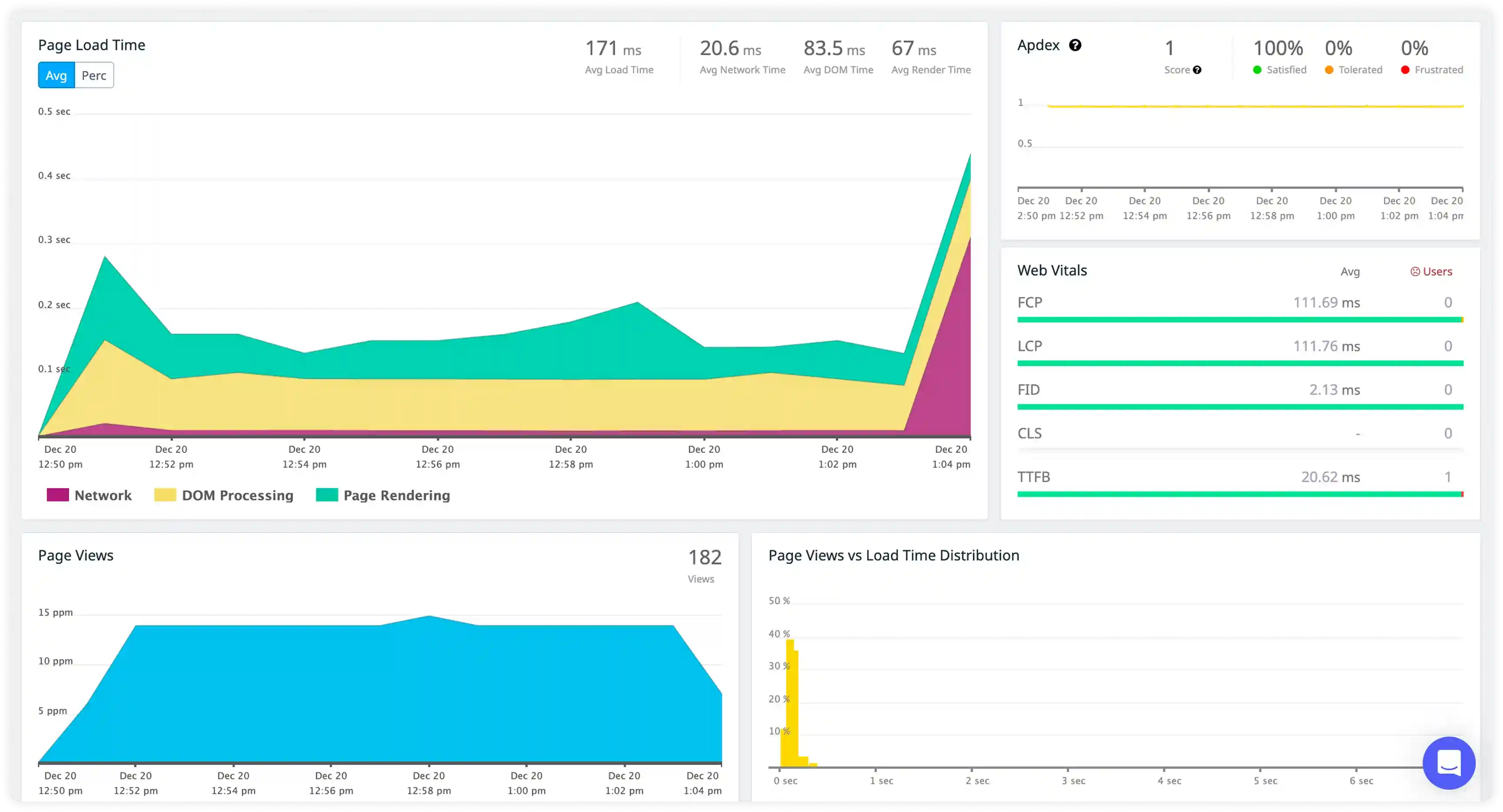
Query Execution and Transaction Logging
- Track log generation across query execution, transactions, and connection activity to understand database workload behavior in MySQL environments.
- Correlate query logs with application requests, user sessions, and service interactions to trace database access patterns.
- Identify failed queries, transaction rollbacks, and connection disruptions affecting data operations.
- Detect inconsistencies in transaction handling impacting application reliability and data integrity.
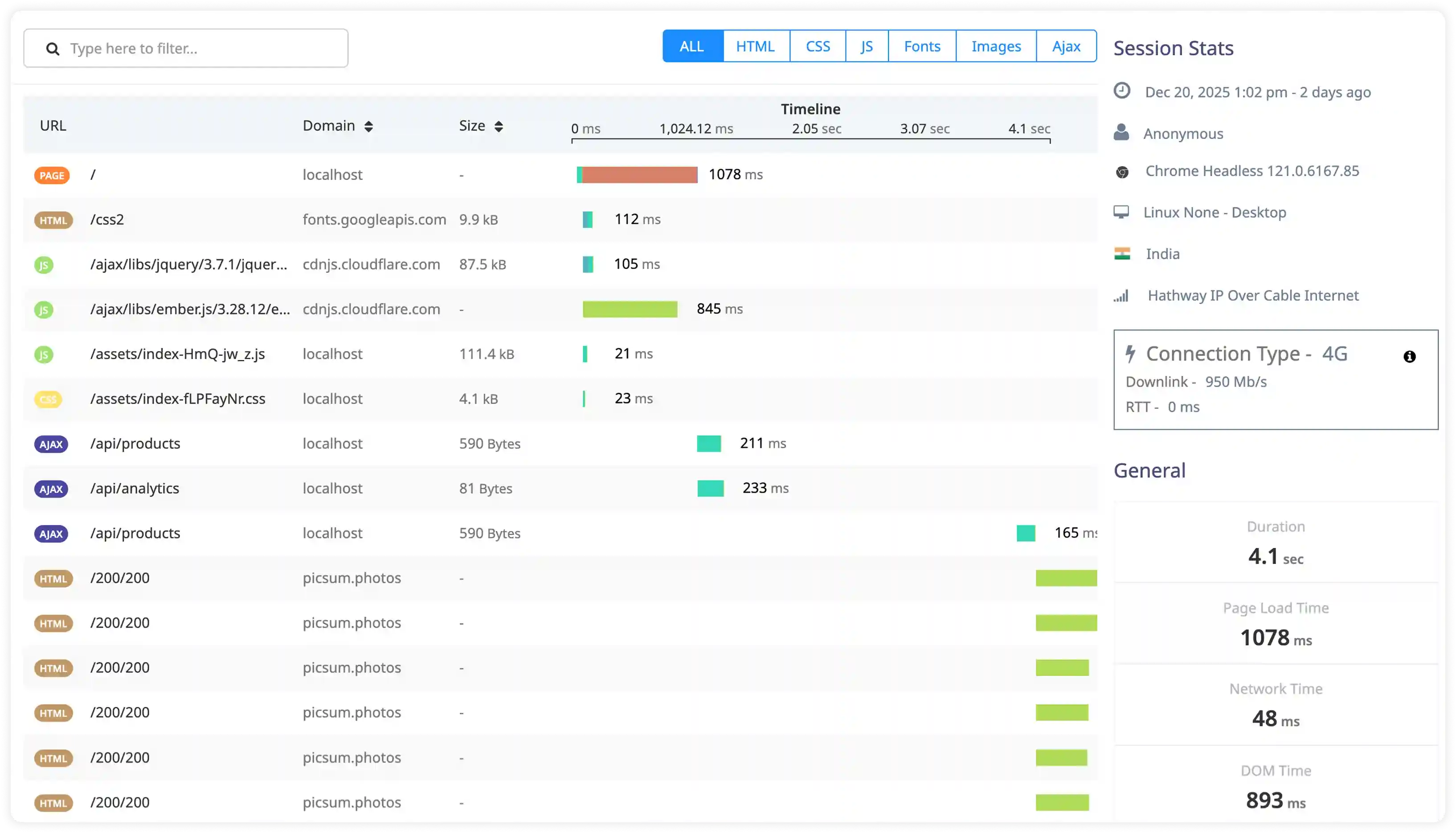
Error and Replication Diagnostics
- Capture MySQL errors, replication failures, and storage engine issues generated during database operations.
- Correlate error logs with schema changes, configuration updates, and infrastructure events to identify root causes.
- Identify recurring database failures caused by indexing issues, resource constraints, and dependency conflicts.
- Detect hidden failures affecting replication consistency and database stability.
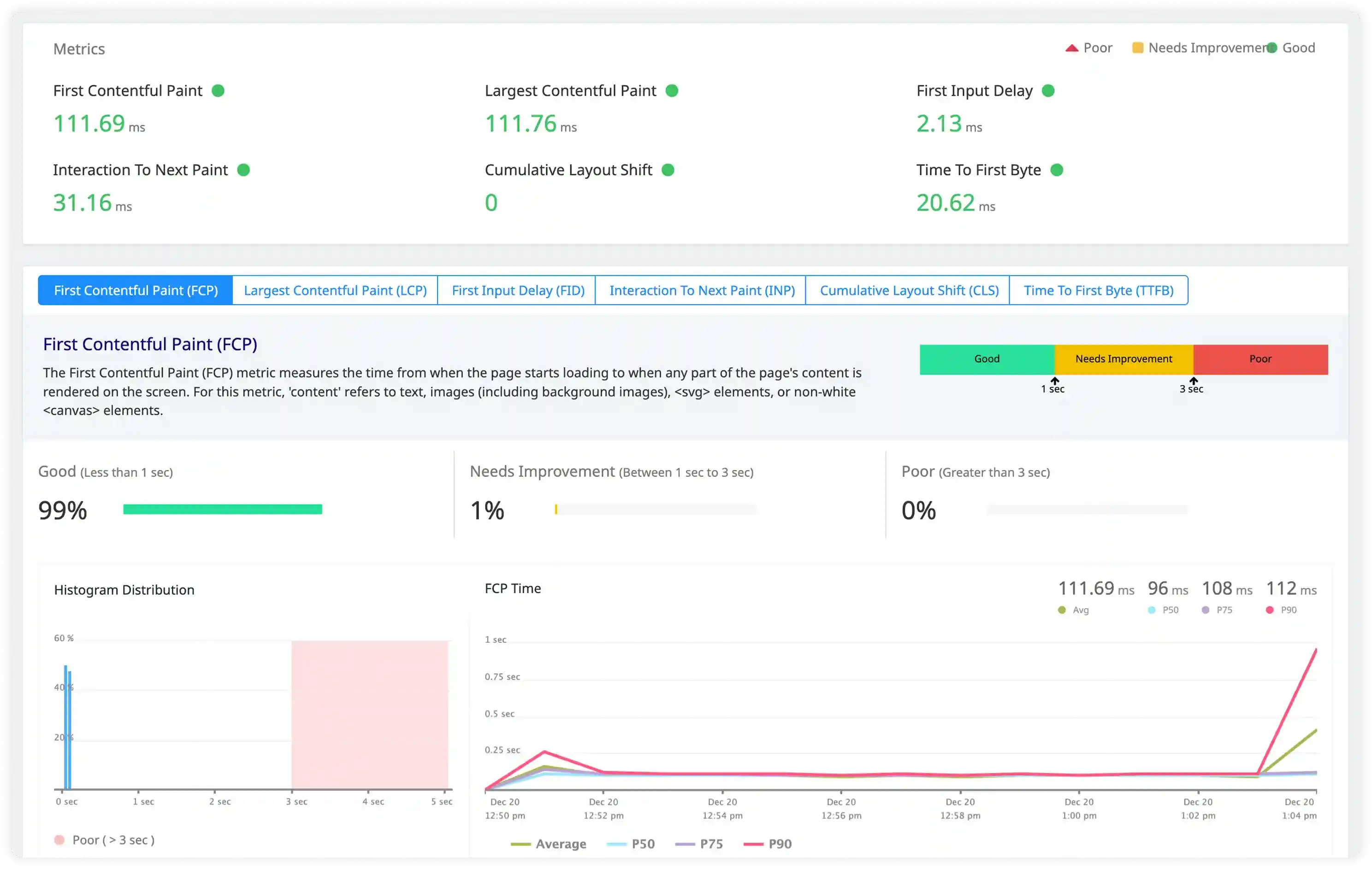
Performance and Slow Query Signals
- Analyze slow query logs, execution warnings, and resource-related messages affecting database performance
- Correlate query behavior with indexing efficiency, workload spikes, and transaction latency across services.
- Identify excessive logging and inefficient queries increasing processing overhead and response time.
- Detect performance degradation through abnormal query execution timing and irregular workload patterns.
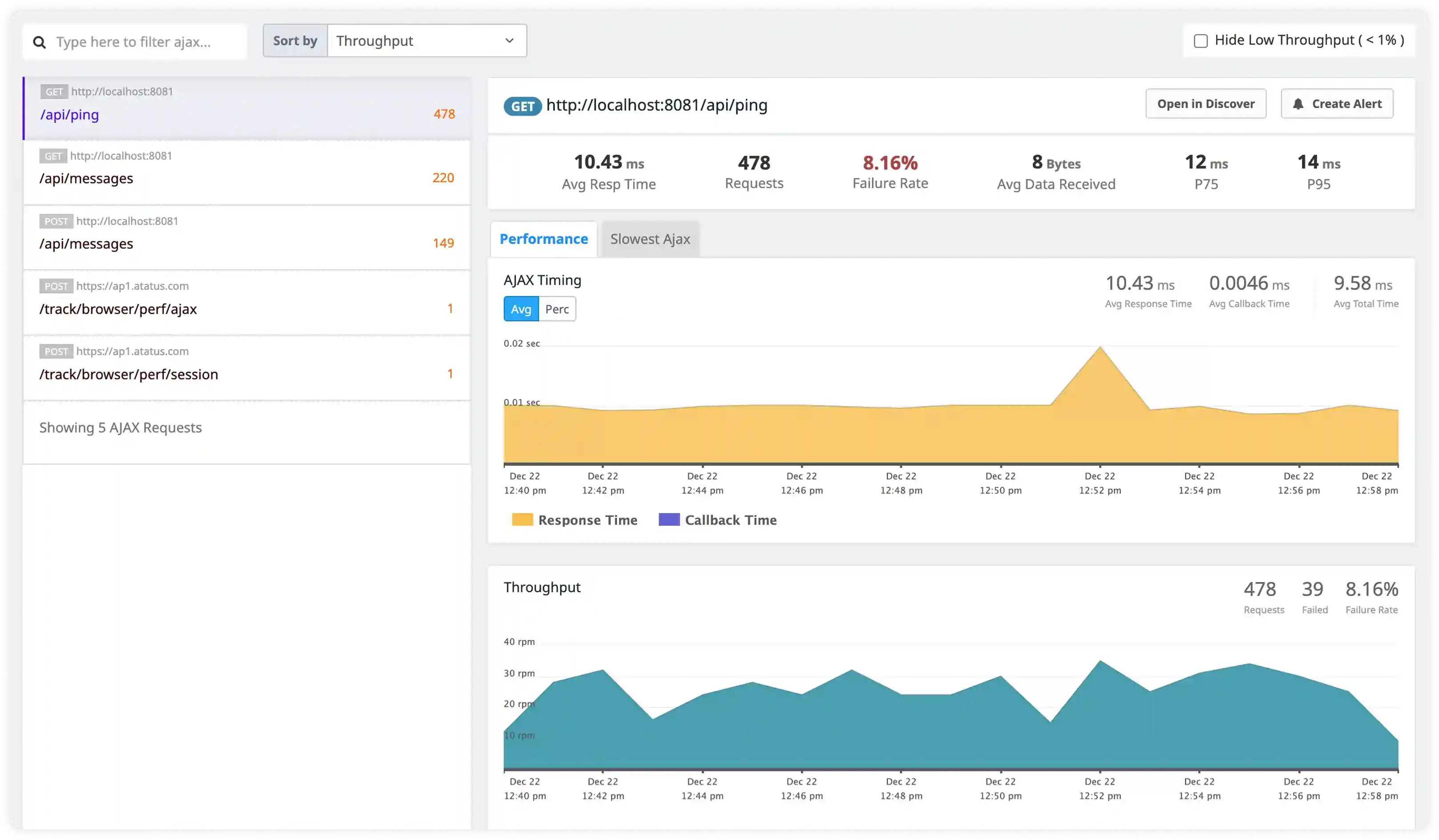
Security and Access Monitoring
- Track authentication failures, unauthorized queries, and abnormal database access patterns captured in logs.
- Identify suspicious usage behavior and potential misuse affecting database integrity.
- Correlate database logs with application and infrastructure activity for incident investigation.
- Detect operational and security incidents impacting MySQL workloads using centralized log visibility.
Why choose Atatus for MySQL logs monitoring?
Query execution clarity
Atatus tracks query, transaction, and connection logs to reveal real MySQL workload behavior.
Request-level correlation
Atatus connects MySQL logs with application requests and user sessions to trace access patterns.
Error diagnostics
Atatus captures MySQL errors, replication failures, and engine issues to identify root causes quickly.
Slow query intelligence
Atatus analyzes slow query logs and execution warnings to detect performance degradation early.
Workload performance signals
Atatus correlates query behavior with indexing efficiency, spikes, and transaction latency.
Security visibility
Atatus monitors authentication failures and abnormal access patterns to protect MySQL workloads.
Unified Observability for Every Engineering Team
Atatus adapts to how engineering teams work across development, operations, and reliability.
Developers
Trace requests, debug errors, and identify performance issues at the code level with clear context.
DevOps
Track deployments, monitor infrastructure impact, and understand how releases affect application stability.
Release Engineer
Measure service health, latency, and error rates to maintain reliability and reduce production risk.